

09 December, 2025
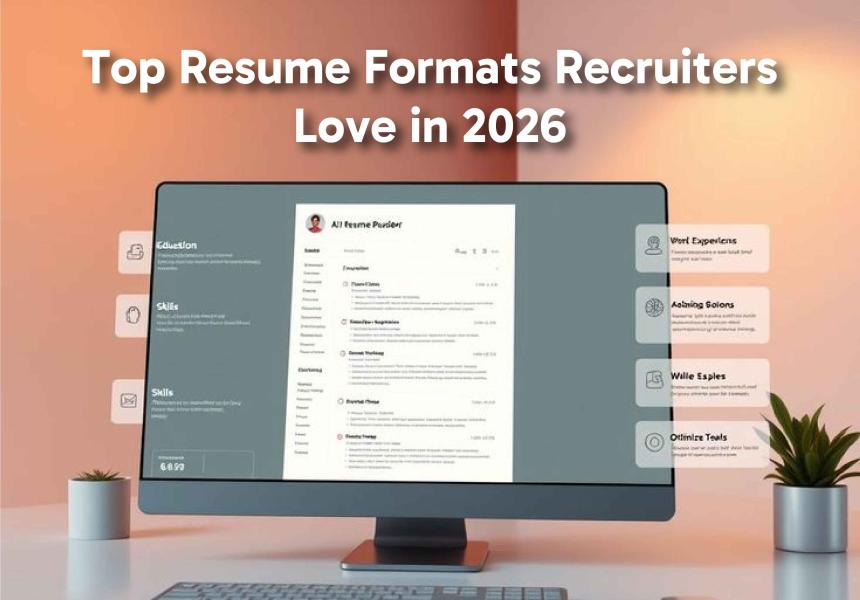
Top Resume Formats Recruiters Love in 2026
Sometimes the job hunt feels heavier. You try fixing your CV, but something still feels off. And when you hear people talk about “the right resume format,” it almost sounds too simple, yet it changes everything.The truth is, the way resumes look in 2026 is very different from the old styles we grew up seeing. Recruiters are quicker now. They skim fast. And the systems they use, those strict scanners called ATS, don’t give you many chances.
So the format you choose matters more than most people think. Let’s talk about the formats that actually work today, the ones real recruiters keep coming back to.
The Plain ATS Layout People Still Trust
You can have a strong experience, but if your layout is messy or unreadable, it feels like your story gets lost under the words. And honestly, nobody has time to fight with a confusing document.
A clean ATS-friendly resume solves that. A simple layout helps your skills stand out. And a human-friendly flow keeps the recruiter reading.
When all those pieces work together, the result feels smoother, like your resume finally “gets you.”
1. The Simple ATS Format (Still the Boss in 2026)
People keep trying creative designs, but let’s be honest, most companies still use scanners that don’t understand boxes, shapes, or fancy elements.
That’s why the classic ATS format is still the safest.
What it looks like:
1. clean headings
2. left-aligned text
3. no icons
4. no tables
5. bullet points that are short and clear
This format isn’t meant to impress with style. It’s meant to stop the system from breaking your resume.
If you want a quick start, use free resume templates that are already tested for ATS. These save a lot of frustration. And if you need ideas for your letter too, you can check cover letter examples so your whole job set looks balanced.
2. The Best CV Format for 2026—Clean, Direct, and Honest
The best CV format this year feels more open. People are tired of heavy descriptions and long wording. Recruiters want a layout where they can “catch” the important parts fast.
What works right now:
1. short job summaries
2. skills grouped clearly
3. achievements in simple lines
4. no long paragraphs
Some people think a CV needs to be impressive or full of big words. But actually, the simpler it feels, the more trust it builds.
This is the style that usually helps the most when applying through a CV builder, because the builder lets you choose a layout that doesn’t look crowded.
3. The Mixed Format—Perfect When Your Path Isn’t Straight
Not everyone has a smooth job story. Sometimes you take breaks. Sometimes your experience jumps from one field to another. And sometimes you’re just starting and don’t have much to list.
This is where the mixed resume format feels like a small gift.
It combines:
1. a skill-focused top section
2. a short work history
3. a simple summary
This format is amazing when you want your abilities to shine before your dates or gaps show up.
A lot of people feel guilty about breaks. But the mixed format quietly protects you. It lets you show what you can do without forcing attention onto things you’re still figuring out.
4. The Straight "Skills First" Format (Growing Fast in 2026)
Something interesting is happening this year: more companies care about what you can do right now, not where you learned it.
So the skill-first layout is getting more popular.
The structure:
1. top skills section
2. a few lines explaining each skill
3. short project examples
4. simple job history
This style is clean, honest, and great for tech roles, creative work, digital jobs, or people with project-based experience.
Pair it with resume tips that focus on clarity, not “fancy writing,” and the result becomes stronger than most people expect.
5. The Minimal Format—When You Want Peace, Simplicity, and Confidence
Sometimes you just want your resume to “breathe.” No mess. No clutter. No stress. That’s the minimal look.
It uses:
1. wide spacing
2. gentle lines
3. simple alignment
4. two or three sections max
This is the format people choose when they want a strong resume. It’s also the one that looks the most “modern” without trying too hard.
If minimal feels like you, pick a simple layout from trusted resume templates or explore quick layouts inside your favorite builder.
Common Mistakes People Still Make in 2026
Even with all the guides online, people keep doubting the same things. And it’s not their fault. Most advice feels robotic or too generic.
Here are things that quietly hurt your resume:
1. Using graphics or shapes
2. Writing huge paragraphs
3. Using job descriptions instead of real results
4. Skipping proper sections
5. If you are confused, check a few resume examples just to get a sense of clarity.
The Summary Section—Small But Powerful
A lot of people rush this part, but it’s the piece that helps a recruiter understand your direction.
What makes a good summary:
1. one short sentence about your role
2. one line about what you’re good at
3. one soft line about what you enjoy doing
How Cover Letters Fit Into All This
A resume gets attention. A cover letter builds connection.
If your CV is straightforward and tidy, match it with a letter that seems genuine and intimate. You may always check our cover letter templates or view additional cover letter examples if you're having problems.
Additionally, when drafting a job application letter, use the same language and tone to create a similar connection between the two documents.
What Recruiters Secretly Notice First
You may think they read everything from top to bottom. They don’t.
What they check first:
1. your layout
2. your spacing
3. your headings
4. the quick shape of your resume
They should “feel” the clarity before reading the words. That moment decides if they continue or move on. This is why your professional resume layout matters more than most people realize.
Final Thoughts
A resume is more than text. It’s my first impression. A quiet handshake. A small window that shows how you see your own work. When the format is clear, your confidence shows through.
So pick a layout that feels like you: clean, honest, simple, and strong. Use templates that support clarity.
Check your spacing and tone. Treat your resume like something living, not a document you update once a year.
Frequently Asked Questions (FAQ’s)
Is it okay to use a creative layout, or should I stay simple?
If you want to play it safe, stay simple. Creative designs look nice, but many companies use scanners that can’t read them well.
How do I know if my resume format works for ATS?
If your resume has no boxes, no icons, and uses normal text, it usually works fine. You can run it through an online checker just to feel sure.
Should my resume format change if I have work gaps?
Yes, a mixed resume format helps. It puts your skills first so the gap doesn’t jump out right away.
What if I don’t have much experience?
Use a skill-first resume. List what you can do, even if you learned it through school or small projects. A simple format makes it look clean and honest.
Can the wrong resume format hurt my chances?
Sadly, yes. If a recruiter can’t read it quickly or the system can’t scan it, they move on fast—even if you’re great.
Related Posts




27 Jan, 2026

